Semi-Solid Power Bank Guide 2026: Safer Charging, Longer Battery Life, and What to Check Before Buying
Portable charging is changing in 2026
Portable charging is no longer just about how many milliamp-hours fit into your bag. In 2026, buyers are asking a more important question: is the power bank safe, durable, and reliable enough to carry every day?
That is why the semi-solid power bank is becoming one of the most talked-about upgrades in mobile charging. Instead of using the fully liquid electrolyte found in many traditional lithium-ion batteries, semi-solid-state battery designs use a gel-like or partially solid electrolyte structure. The goal is simple: reduce leakage risk, improve stability, and extend service life without making the charger too bulky for everyday use.
What Is a Semi-Solid Power Bank?
A semi-solid power bank is a portable charger built with a semi-solid-state lithium battery rather than a standard liquid-electrolyte lithium-ion cell.
In a typical lithium-ion battery, lithium ions move between the positive and negative electrodes through a liquid electrolyte. In a semi-solid battery, the electrolyte is partly gelled or stabilized. This does not make it the same as a fully solid-state battery, but it can reduce some weaknesses associated with liquid electrolytes, including leakage, swelling, and thermal instability.
- Better resistance to heat and cold
- Lower risk of leakage compared with liquid-electrolyte designs
- Longer cycle life in some models
- More stable performance during daily charging
- Stronger safety positioning for travel and commuting
The key phrase is in some models. Battery chemistry, cell quality, charging control, enclosure design, and safety certification all matter. A semi-solid label alone is not enough.
Why Semi-Solid Power Banks Are Gaining Attention
Semi-solid battery technology has been discussed for years in electric vehicles and energy storage, but consumer power banks are now beginning to show real commercial momentum.
One of the clearest signs came from Elecom, which announced its first semi-solid battery mobile power banks for 2026. Its semi-solid 10,000mAh model highlights a gelled electrolyte, around 2,000 charge cycles, and use in a wider temperature range than typical lithium-ion models. These claims show where the category is heading: not only faster charging, but safer and longer-lasting charging.
The shift is happening because users now carry more battery-powered devices than ever: smartphones, tablets, earbuds, smartwatches, cameras, gaming handhelds, and lightweight laptops. A power bank is often stored in a backpack, suitcase, car, or desk drawer for long periods. Safety and battery aging are therefore becoming purchase drivers, not afterthoughts.
Semi-Solid vs Lithium-Ion vs Solid-State Power Banks
| Battery type | Main advantage | Main limitation | Best for |
|---|---|---|---|
| Traditional lithium-ion | Mature, affordable, widely available | Can age faster and may be more sensitive to heat, impact, and swelling | Budget everyday charging |
| Semi-solid-state | Improved stability, potential for longer cycle life, better safety positioning | Still emerging; quality varies by brand and certification | Users who want safer daily carry and longer lifespan |
| Full solid-state | Promising safety and energy-density potential | Still early in consumer power banks and often more expensive | Early adopters and premium compact chargers |
Key Benefits of a Semi-Solid Power Bank
1. Better safety design
Safety is the biggest reason people search for semi-solid power banks. By reducing the amount of free-flowing liquid electrolyte, semi-solid battery designs aim to reduce leakage and flammable gas release under certain failure conditions.
That does not mean a semi-solid power bank is impossible to damage or misuse. Any rechargeable battery can become unsafe if it is crushed, punctured, overheated, overcharged, or made with poor-quality components. Look for brands that publish safety information, operating temperature range, and certification details.
2. Longer battery lifespan
Cycle life is another major selling point. Some semi-solid power banks claim significantly higher cycle counts than conventional lithium-ion models. For users, this matters because a power bank often fails gradually. Capacity drops, charging becomes slower, or the battery drains faster between uses.
3. Stronger temperature tolerance
Power banks are often used outdoors, during travel, or in places where temperature is not ideal. Semi-solid battery designs may offer better stability in hot or cold environments, depending on the exact cell and protection system.
4. More confidence for daily carry
A good power bank should be something you can carry without thinking about it. Semi-solid power banks are appealing because they address the emotional side of charging: trust.
What to Check Before Buying a Semi-Solid Power Bank
- Capacity: 5,000mAh to 10,000mAh is usually enough for phones. 20,000mAh or higher is better for tablets and laptop backup.
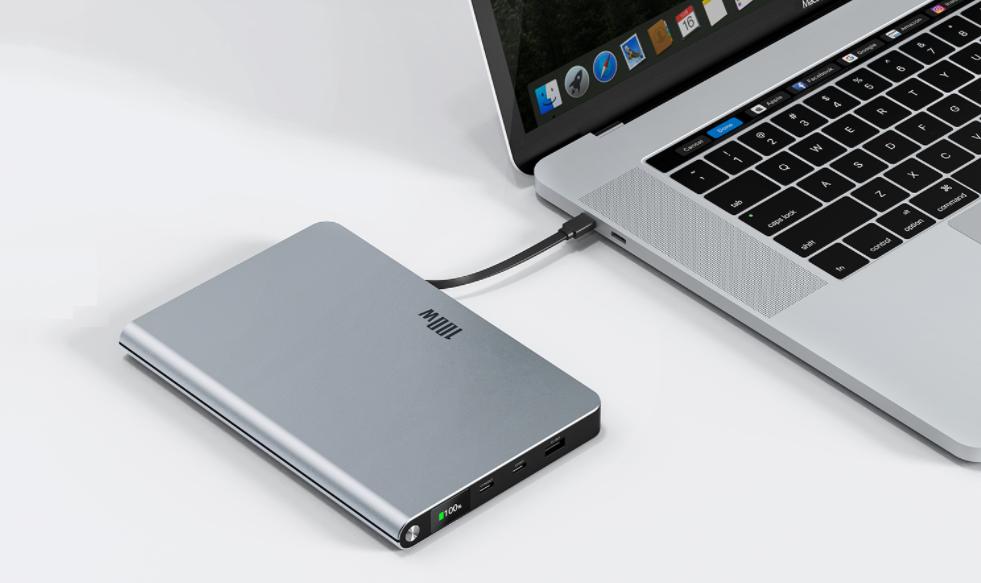
- USB-C output: Look for USB-C Power Delivery. A 20W to 30W model is fine for phones, while 45W to 65W is better for tablets and some laptops.
- Certification: Check for safety and transport certifications such as CE, FCC, RoHS, UN38.3, PSE, or other certifications required in your market.
- Cycle life: Look for a number and testing condition. “Long-lasting” is vague. A stated cycle count is more meaningful.
- Temperature range: Check both charging and discharging temperature ranges if you plan to use the power bank outdoors or while traveling.
- Brand transparency: Trustworthy brands explain the battery type, protection circuits, ports, rated capacity, output wattage, and warranty.
Who Should Buy a Semi-Solid Power Bank?
A semi-solid power bank is a strong choice if you carry a power bank every day, travel frequently, want a longer-lasting portable charger, charge expensive devices, or care about battery safety and durability.
It may not be necessary if you only need the cheapest backup charger for occasional use. In that case, a certified lithium-ion or lithium-polymer power bank from a reliable brand may still be enough.
Common Mistakes to Avoid
- Confusing semi-solid with full solid-state.
- Assuming all semi-solid power banks are automatically safer.
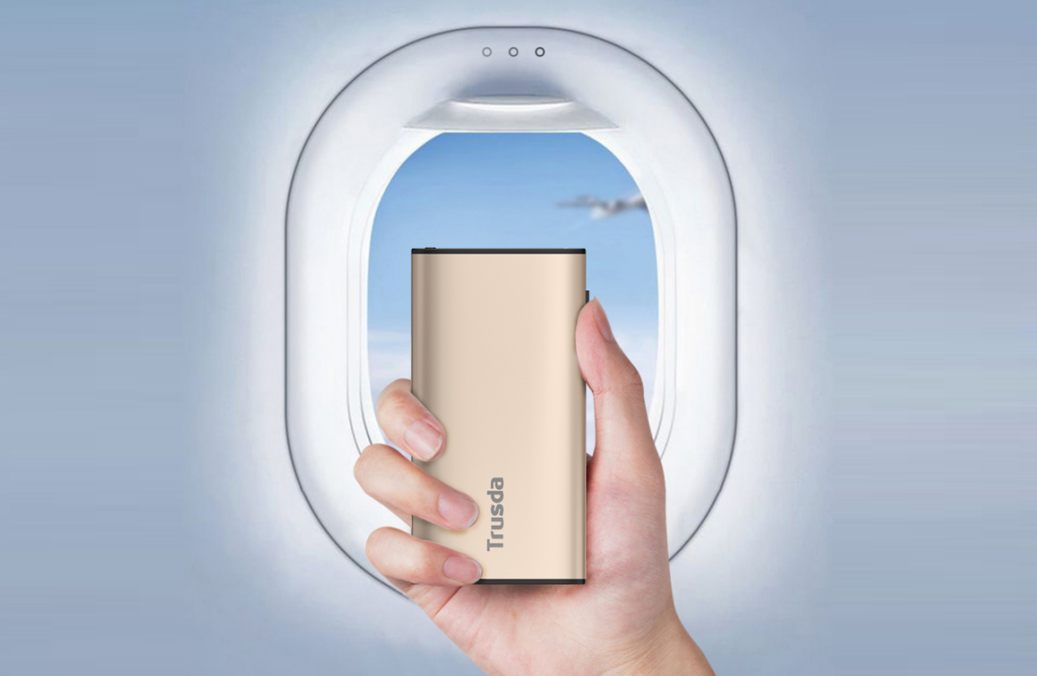
- Buying more capacity than airline rules allow for travel.
- Ignoring charging wattage, especially for tablets and laptops.
Are Semi-Solid Power Banks Worth It?
For many users, yes. A semi-solid power bank is worth considering if you want a safer-feeling, longer-life portable charger and are willing to pay a little more for better battery technology.
The best value will come from models that combine semi-solid cells with clear specifications, USB-C fast charging, strong safety certification, and a practical size. The worst value will come from products that use “semi-solid” as a marketing phrase without proof.
FAQ
Is a semi-solid power bank safer than a normal power bank?
A well-made semi-solid power bank can offer safety advantages because the battery design reduces reliance on free-flowing liquid electrolyte. However, real safety also depends on product design, protection circuits, certification, and correct use.
Is semi-solid the same as solid-state?
No. Semi-solid batteries use a partly gelled or stabilized electrolyte, while full solid-state batteries replace the liquid electrolyte more completely with solid materials.
How long does a semi-solid power bank last?
It depends on the model. Some new semi-solid power banks advertise much higher cycle life than standard lithium-ion models. Always check the stated cycle count, warranty, and charging conditions.
Can I take a semi-solid power bank on a plane?
Usually yes if it meets airline capacity limits, but rules depend on watt-hour rating and local airline policy. Always check the printed Wh rating and your airline’s latest rules before travel.
Bottom Line
Semi-solid power banks are one of the most important portable charging trends of 2026 because they answer a real user need: safer, longer-lasting power in a compact format.
If you are choosing a new portable charger, do not focus only on capacity. Look at battery chemistry, cycle life, safety certification, USB-C output, temperature range, and brand transparency. A good semi-solid power bank should not just charge your device. It should give you confidence every time you carry it.
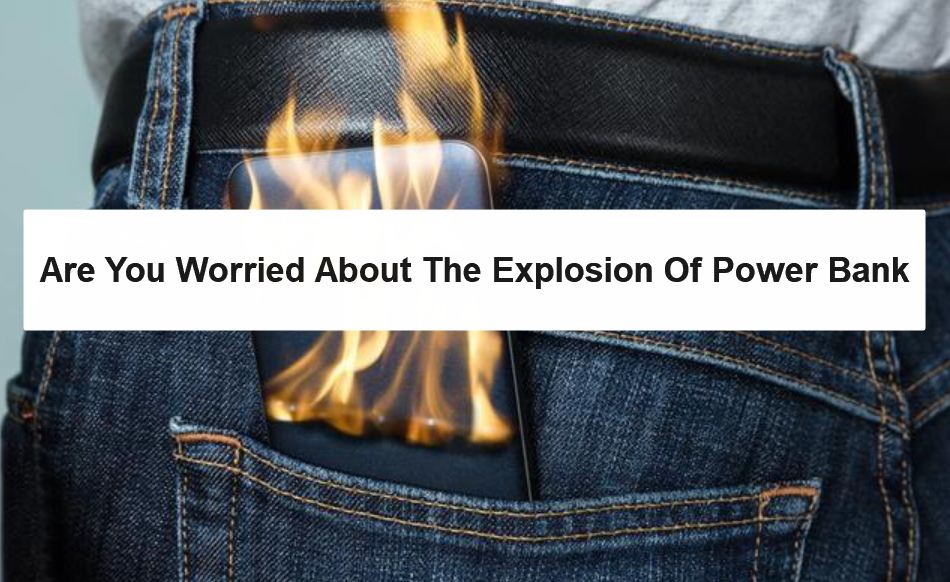
Safety Guide: Are you worried about the explosion of power bank?
Related Article