Lithium-ion vs Lithium-Polymer Batteries - Which Is Better?
Introduction:
In the realm of power banks, there are two prominent battery types: lithium-ion (Li-ion) and lithium-polymer (LiPo). Choosing between them can be a daunting task, as each has its own set of advantages and disadvantages.
Before delving into the differences between these battery types, let's gain a deeper understanding of how they operate:
Lithium-ion Battery:
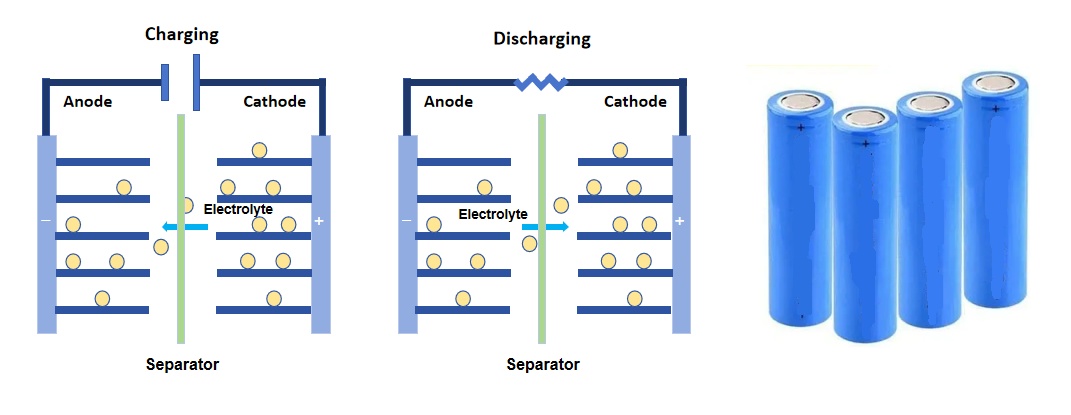
A lithium-ion battery comprises four primary components: a positive electrode composed of Lithium Manganese Oxide or Lithium Cobalt Oxide, a negative electrode consisting of carbon, an electrolyte (a lithium salt in an organic solvent), and a separator that prevents the electrodes from making contact and causing a short circuit. During the charging process, lithium ions are released from the lithium cobalt oxide and move through the electrolyte, storing energy. When discharging, the lithium ions return to the lithium cobalt oxide from the carbon electrode, providing power to the connected device.
Lithium-polymer Battery:
Lithium polymer batteries are developed from lithium-ion batteries. The difference from lithium-ion batteries is that they use polymer electrolytes instead of liquid electrolytes. Is a newer lithium-ion technology rechargeable battery. This unique characteristic offers several advantages and variations in comparison to traditional lithium-ion batteries.

To make an informed decision, let's explore the specific strengths and weaknesses of each battery type:
Advantages of lithium-ion batteries:
1. High energy density ensures a long-lasting power supply for your devices.
2. Lower manufacturing costs.
3. Long lifespan.
Disadvantages of Lithium-Ion Batteries:
1. May explode when overheated or overcharged.
2. Gradual self-discharge, although this is of minimal concern if the battery is consistently in use.
Advantages of lithium-polymer batteries:
1. High safety performance with a low probability of electrolyte leakage and explosion.
2. Lightweight and thin compared to other battery types.
3. Customizable shape, allowing for higher versatility in applications.
4. Low self-discharge rate, enabling longer retention of charge.
Disadvantages of lithium polymer batteries:
1. Lower energy density and reduced cycle count compared to lithium-ion batteries.
2. Higher manufacturing costs.
While lithium-polymer batteries are often regarded as safer than lithium-ion batteries, it is important to note that they pose inherent risks if mishandled. The potential for explosions or fires exists when batteries are overcharged or subjected to extreme conditions.
If your budget allows, you can opt for products that provide multiple layers of battery protection to enhance safety. For example, Trusda's portable power banks incorporate lithium battery protection circuits, enabling precise control over overcharging, over-discharging, current overload, and short circuit protection.
Conclusion:
When choosing a portable power bank, considering your specific needs and preferences is of utmost importance. Due to the superior safety, form factor versatility, and lightweight properties of lithium polymer batteries, they have found widespread application in high-end and mid-range devices. As a result, an increasing number of portable power bank manufacturers are opting for lithium polymer batteries over lithium-ion batteries. However, this does not necessarily mean that lithium-polymer batteries are completely superior to lithium-ion batteries.
Currently, the field of battery technology is continuously evolving, with ongoing research and development focused on enhancing performance, safety, and sustainability. Innovations such as solid-state batteries and advanced electrode materials hold the potential to overcome certain limitations of traditional lithium-ion and lithium-polymer batteries. Staying updated with the latest advancements can help you make informed decisions when selecting a portable power bank.
As a manufacturer of mobile power supplies - Trusda, we are committed to staying at the forefront of the industry, ensuring that our customers benefit from the most advanced and secure technologies available. We constantly strive to incorporate the latest developments into our products, guaranteeing that our customers enjoy cutting-edge solutions that prioritize performance, safety, and sustainability.
What is Qi2?
Related Article